Daily stand-ups were designed for teams that sit in the same room. Once your team spans three or four time zones, the 15-minute call turns into a meeting that is too early for some people, too late for others, and mostly a status report that could have been written down. The good news: you can keep the benefits of a stand-up without holding one.
What a stand-up is really for
Before you cancel anything, list what the meeting gives your team today. In most teams it comes down to three things:
- Visibility: everyone knows what everyone else is working on.
- Unblocking: problems surface early, before they cost a day.
- Connection: people see each other’s faces at least once a day.
A good replacement keeps all three. Dropping the call without a plan usually keeps none of them.
Move status updates into writing
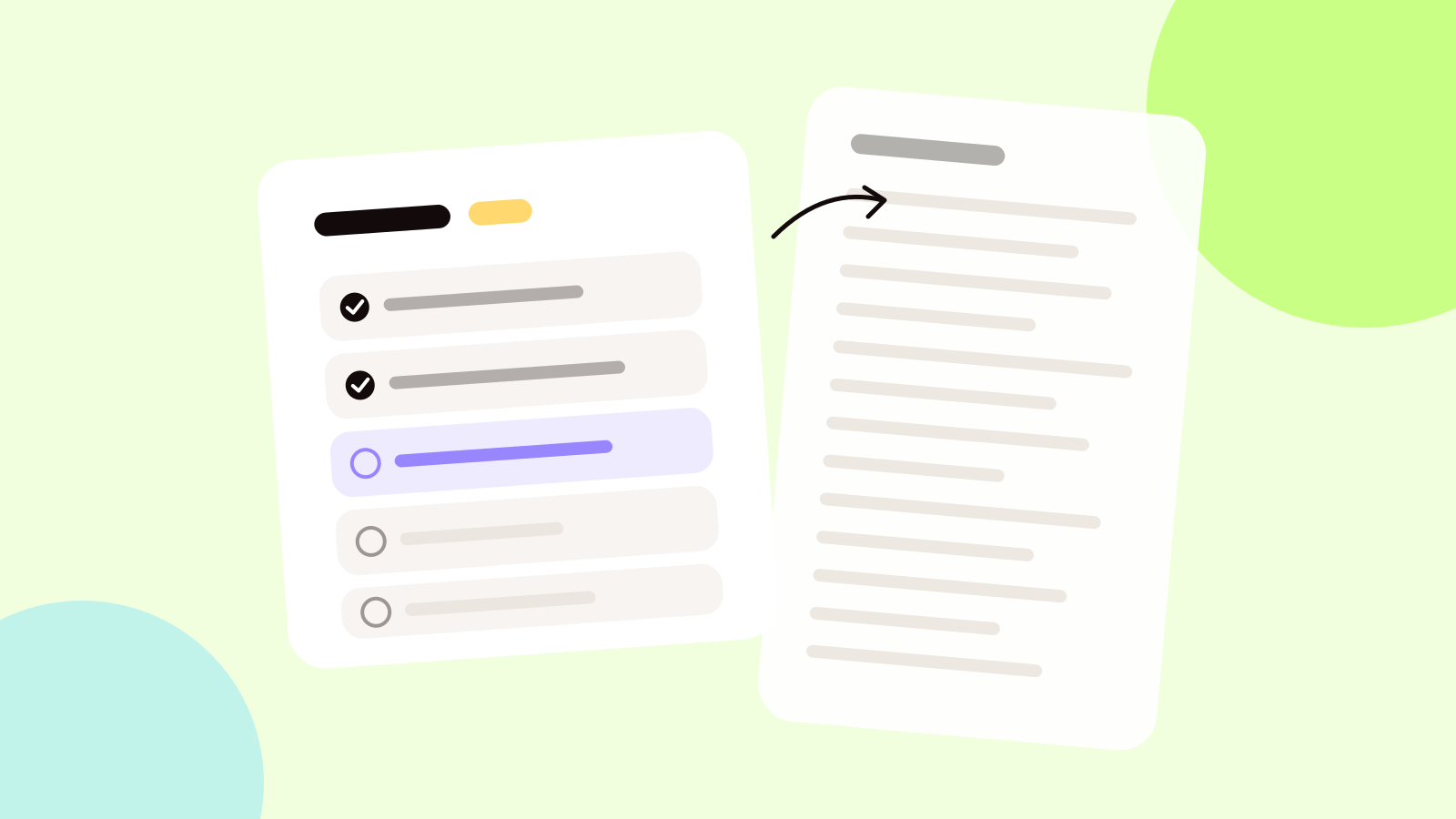
Ask each person to post a short check-in at the start of their day, in a shared channel or as a comment on their main task. Three lines are enough: what they finished, what they are doing today, and anything blocking them.
Written check-ins have a few advantages over a call. People write them when their day starts, not when the meeting is scheduled. They are searchable later. And a manager can read ten of them in two minutes.
The best check-in is the one your teammate can act on without asking a follow-up question.
Let the board answer “what is everyone doing?”
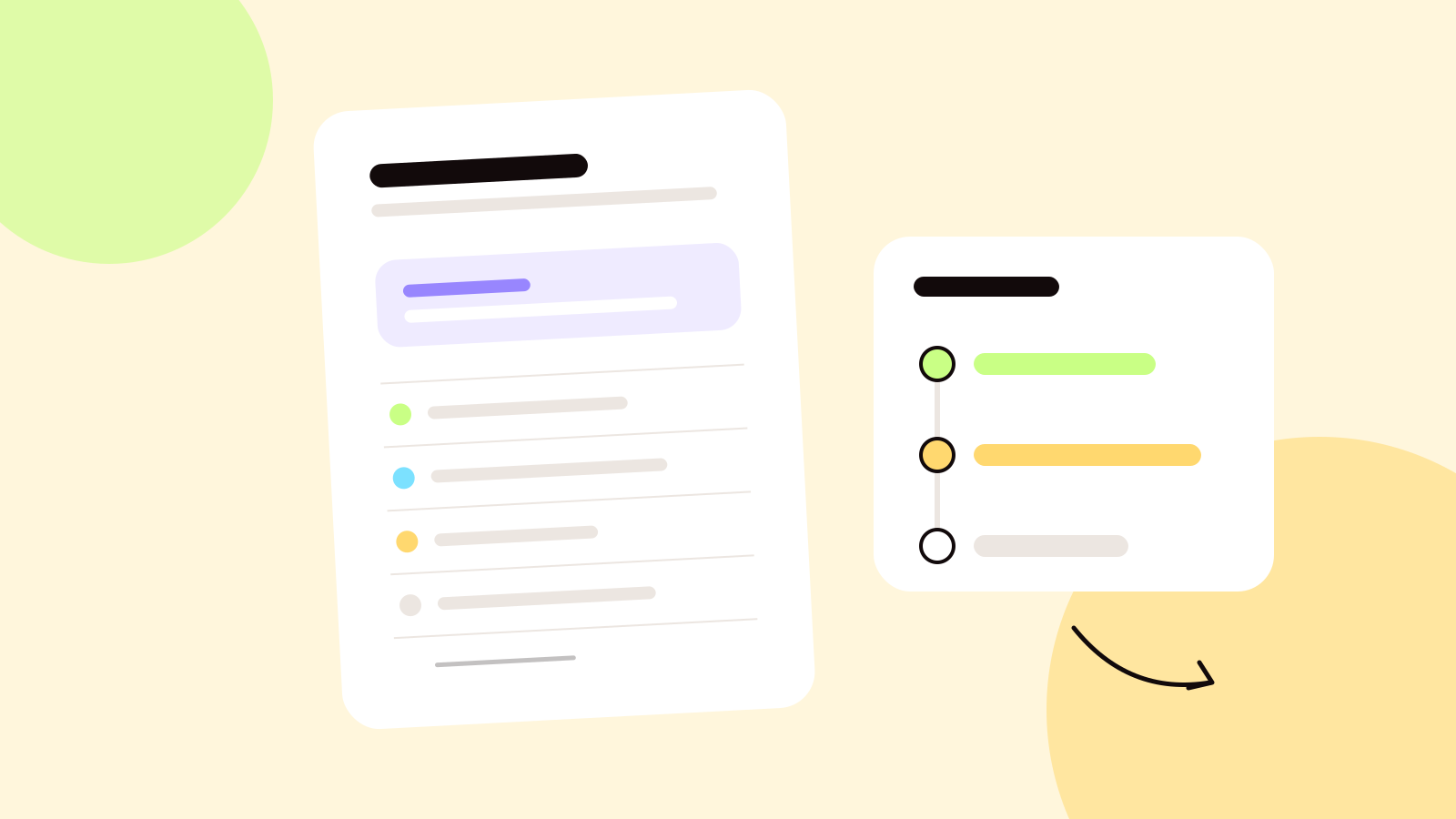
If your tasks live in one shared board, most of the stand-up is already answered. Keep the board honest with a few simple rules:
- Every task in progress has exactly one owner.
- A task moves to “Done” the moment it is done, not at the end of the week.
- Blocked tasks get a blocked label and a comment explaining why.
When the board reflects reality, nobody has to ask for a status update. They open the board instead.
Keep one live meeting a week
Async does not mean never talking. Keep one weekly sync of 30 to 45 minutes at a time that works for the widest overlap of time zones. Use it for things that are hard in writing: planning the week, discussing trade-offs, and celebrating what shipped.
Rotate the time each quarter if one region always gets the late slot. Small gestures like this matter more on remote teams than on co-located ones.
Make room for the human part
The one thing written check-ins cannot replace is casual contact. Add a weekly optional coffee call, a channel for photos and non-work news, or pair people for a short chat every two weeks. Treat this as part of the work, not a perk.
Try it for four weeks
Changes to team rituals need time. Run the new routine for four weeks, then ask the team two questions: what do you miss from the old stand-up, and what would you never go back to? Adjust from there. Most teams we work with never bring the daily call back.